Spotlight on Rosadyn’s Ingredients. Sulforaphane
Sulforaphane is a naturally occurring compound found primarily in cruciferous vegetables like broccoli sprouts. In recent years, it has gained significant attention in dermatological research for its potential to protect and improve skin health. So, how does it work? Sulforaphane’s primary mechanism of action is activating the Nrf2 pathway. This pathway acts as a “master regulator” in the body, boosting the production of antioxidant and detoxifying enzymes.

Sulforaphane in Rosadyn+ helps reduce facial redness and flushing
Key Ways Sulforaphane Impacts Skin Health
Internal Sunscreen & Photoprotection:
Research suggests sulforaphane protects skin from UV radiation. This matters because UV exposure is a major cause of premature aging. It also drives other skin damage. Specifically, sulforaphane reduces the production of reactive oxygen species (ROS). It also enhances the skin’s ability to repair UV-induced DNA damage. As a result, studies indicate that topical and dietary applications may reduce UV-induced redness (erythema).
Anti-Inflammatory Effects:
Sulforaphane suppresses inflammatory markers like TNF-alpha and IL-6. Because it calms both systemic and local inflammation, it may help manage inflammatory skin conditions. It could offer support for those dealing with redness. It may also help those dealing with irritation.
Antioxidant Defense:
Sulforaphane activates the Keap1-Nrf2 signaling pathway. In turn, this increases the expression of protective enzymes. These enzymes help the skin neutralize free radicals. Free radicals are key contributors to fine lines, wrinkles, and pigmentation.
Anti-Aging Potential:
Animal studies show sulforaphane supplementation can improve collagen deposition. It also enhances overall skin appearance, including hydration and thickness, particularly in aging skin.
How Sulforaphane Helps With Rosacea
For individuals with rosacea, sulforaphane draws significant interest. This is because it modulates pathways linked to chronic inflammation. It also modulates pathways linked to oxidative stress.
Rosacea involves an overactive immune response and inflammation. It also involves sensitivity to environmental triggers. Given this, sulforaphane’s potential benefits stem from its role as a “master regulator” of cellular defense:
Anti-Inflammatory Modulation:
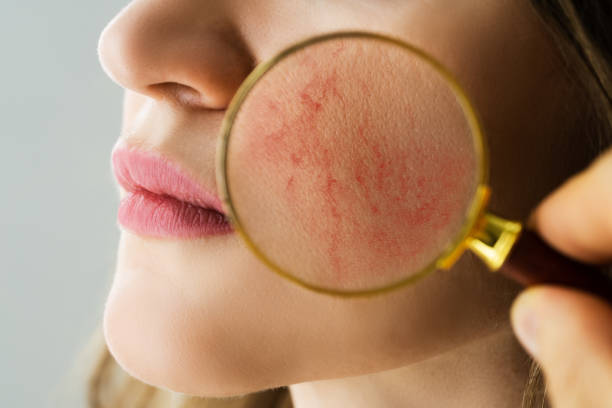
Rosacea involves the upregulation of pro-inflammatory markers, such as cytokines. Since sulforaphane suppresses these pathways, it could theoretically help “calm” the skin. This may reduce the persistent redness and flushing associated with the condition.
Targeting Oxidative Stress:
Rosacea is often linked to an imbalance. The skin simply can’t neutralize free radicals well enough. However, activating the Nrf2 pathway forces cells to produce their own internal antioxidant enzymes. These enzymes are more stable than standard topical antioxidants. They’re also more effective at neutralizing oxidative damage.
Strengthening the Skin Barrier:
A damaged skin barrier is a hallmark of rosacea. Sulforaphane promotes better keratinocyte health and stress adaptation. As a result, it may improve the skin’s structural integrity. Consequently, skin becomes less reactive to external triggers like heat, wind, or skincare products.
Disclaimer: Sulforaphane is a natural compound, but it can interact with certain medications. In high amounts, it may also cause digestive discomfort. Therefore, always consult a healthcare professional or dermatologist before adding new supplements to your routine. This is especially important if you’re managing specific skin conditions.