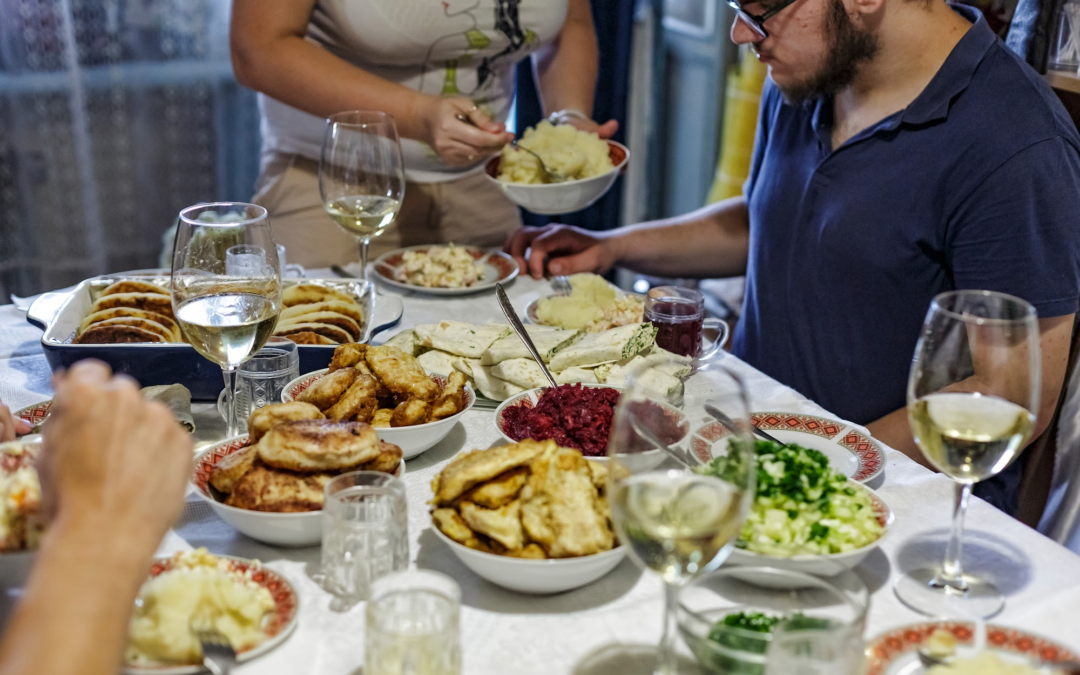
Thanksgiving is a feast of warm dishes, rich desserts, and plenty of wine. However, if you live with rosacea, that menu can also be a minefield of rosacea triggers. Facial flushing, persistent redness, and bumps tend to show up right when the photos get taken.
The good news is that you don’t have to skip the holiday. Knowing which foods trigger rosacea helps you plan a table that’s festive and skin-friendly.
Triggers are highly individual. What sets off one person’s rosacea may not bother another’s, and many people have only a few triggers. Use this list as a starting point and pay attention to your own patterns.
Why Food Can Trigger Rosacea Flare-Ups
Rosacea is a chronic inflammatory skin condition marked by facial redness, flushing, visible blood vessels, and sometimes acne-like bumps. Anything that dilates blood vessels or raises your body temperature can set off a flare. Some foods contain compounds that do exactly that. Large holiday meals, alcohol, and stress can stack several triggers at once.
1. Alcohol (Especially Red Wine)
 Alcohol is one of the most commonly reported rosacea triggers, and red wine, champagne, and bourbon are frequent offenders. Alcohol dilates blood vessels and can cause immediate flushing.
Smarter swaps:
– Sparkling water with a splash of cranberry juice and a sprig of rosemary
– Non-alcoholic sparkling cider served chilled
– If you do drink, have a small amount, sip slowly, and alternate with water
2. Hot Beverages (Mulled Cider, Coffee, and Hot Cocoa)
For many people, the temperature of a drink matters as much as what’s in it. Steaming mulled cider, hot coffee, and hot chocolate can trigger facial flushing.
Smarter swaps:
- Let hot drinks cool to warm before sipping
- Try iced or room-temperature herbal tea, like chamomile or peppermint
- Offer cold apple cider instead of mulled
3. Spicy Dishes and Heavily Seasoned Sides
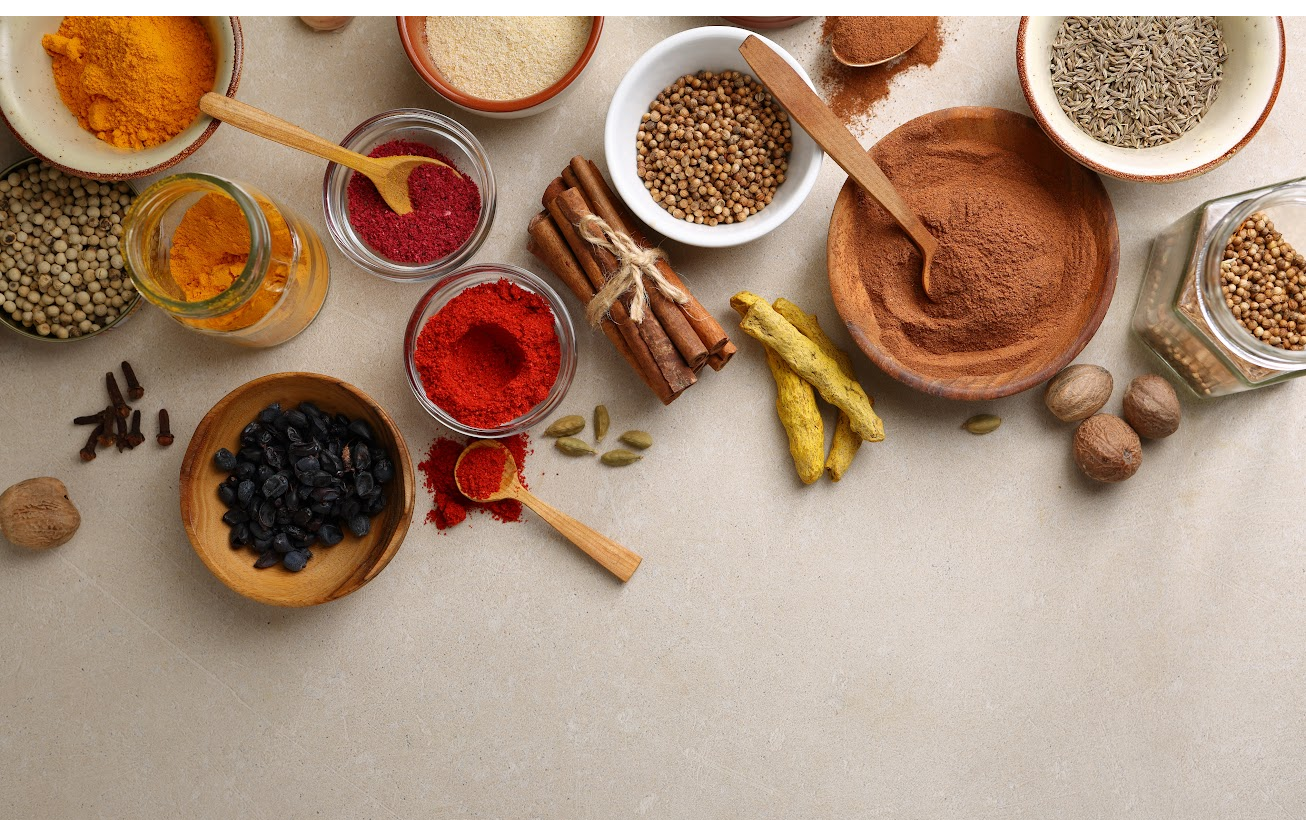 Cayenne, hot sauce, red pepper flakes, and spicy sausage stuffing can all spark rosacea flare-ups. Capsaicin, the compound that makes food hot, is a well-known trigger for flushing.
Smarter swaps:
- Season stuffing with herbs like sage, thyme, and parsley instead of heat
- Use a mild sausage, or skip the sausage entirely
- Keep hot sauce on the side
4. Cinnamon and Cinnamon-Heavy Desserts
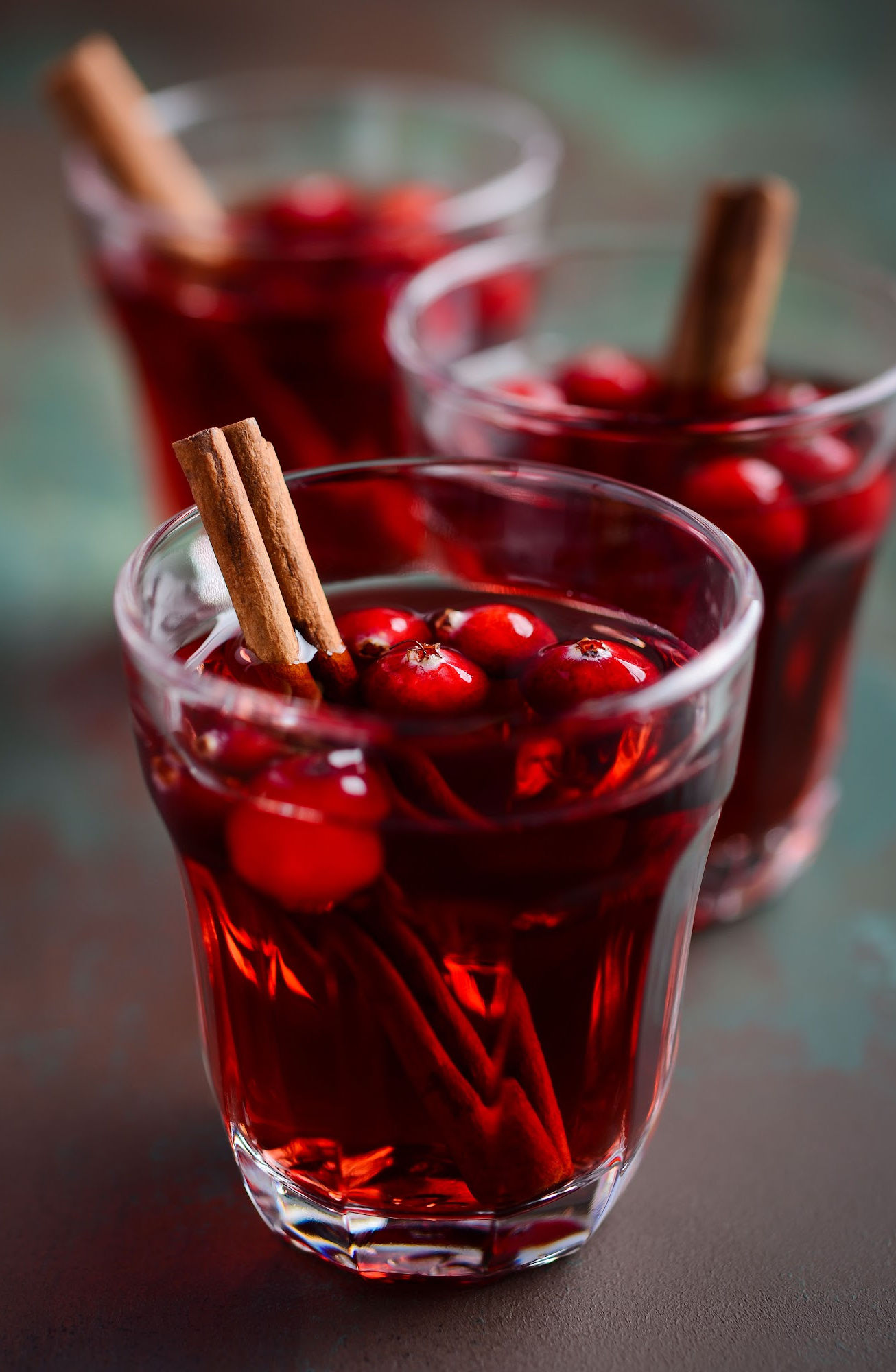
Cinnamon contains cinnamaldehyde, a compound that some people with rosacea find triggers flushing. Unfortunately, it shows up in pumpkin pie, sweet potato casserole, apple pie, and spiced cider.
Smarter swaps:
- Use a small amount of nutmeg or ginger if those don’t bother you
- Test your tolerance before the holiday, not on the day itself
- Skip the cinnamon topping on sweet potatoes and use a little maple syrup and butter
5. Tomatoes and Tomato-Based Dishes
Tomatoes also contain cinnamaldehyde-related compounds and are listed by many people with rosacea as a trigger. Watch for tomato-based sauces, relish trays, and some casseroles.
Smarter swaps:
- Choose dishes built on roasted vegetables like carrots, parsnips, and green beans
- Skip the tomato-based dips and appetizers
6. Citrus Fruits and Vinegar-Based Dishes
Oranges, lemons, and limes appear on many rosacea trigger lists, along with vinegar. Cranberry sauce with orange zest, citrus-glazed ham, and vinaigrette-dressed salads are common culprits.
Smarter swaps:
- Make a simple cranberry sauce with apples or pears
- Dress salads with olive oil and a mild herb blend
7. Aged Cheeses, Cured Meats, and Fermented Foods
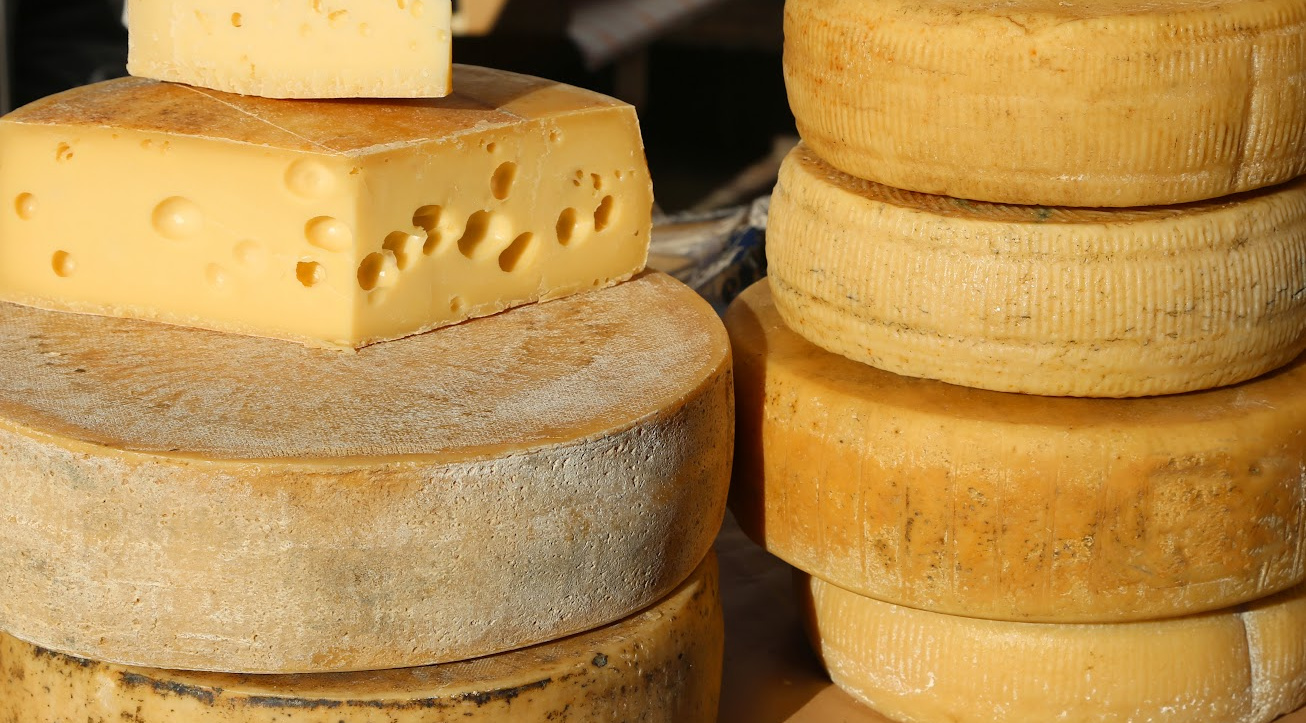 Cheese boards are a Thanksgiving staple, but aged cheeses, cured meats, and fermented items are on some people’s trigger lists, along with soy sauce and yeast extract.
Smarter swaps:
- Choose milder cheeses like cottage cheese or fresh mozzarella
- Fill your appetizer plate with raw vegetables, nuts, and fresh fruit that isn’t a trigger for you
8. Chocolate and Rich Desserts
Chocolate is another commonly reported trigger, and it’s hard to avoid at dessert time. Vanilla is occasionally mentioned too.
Smarter swaps:
- Choose a pie or baked dish that doesn’t rely on chocolate
- If you want to test chocolate, try a small portion and note how your skin responds
More Tips for a Rosacea-Friendly Thanksgiving
- Keep a food and symptom diary. Tracking what you eat and how your skin reacts in the weeks before the holiday is the most reliable way to identify your triggers.
- Manage stress. Holiday stress is a well-known rosacea trigger. Take short breaks, step outside for cool air, and build in quiet time.
- Stay cool. A hot kitchen and crowded dining room can cause flushing. Dress in layers and sit away from the oven or fireplace.
- Stay hydrated. Water supports overall skin health and helps you resist trigger drinks.
- Protect your skin. Continue your gentle skincare routine and daily mineral sunscreen, especially if you’re traveling.
- Bring a dish to share. Contributing a rosacea-friendly side guarantees there’s something safe on the table.
A Sample Rosacea-Friendly Thanksgiving Menu
- Main: Herb-roasted turkey with mild seasoning
- Sides: Roasted green beans, mashed potatoes, herb stuffing, roasted root vegetables
- Sauce: Apple-pear cranberry-style sauce (no citrus)
- Dessert: Baked apple or pear crisp with oats and a touch of maple syrup
- Drinks: Cool sparkling water with fresh herbs
The Bottom Line
You don’t have to give up the holiday to manage rosacea. By identifying your personal rosacea food triggers, making a few thoughtful swaps, and keeping hot foods, spice, and alcohol in check, you can enjoy Thanksgiving with fewer flare-ups and less facial redness.